
As the year draws to a close and the holiday season sweeps over us, there is one celebration that stands out, distinct yet rich in cultural heritage and communal values—Kwanzaa. Rooted deeply in African traditions and observed by millions around the world, Kwanzaa is more than a festive period; it is a profound journey into the essence of Black culture, unity, and shared history. In this blog post, we will explore the origins of Kwanzaa, its significance, and why it is an enriching celebration that everyone should consider embracing.
The Birth of Kwanzaa
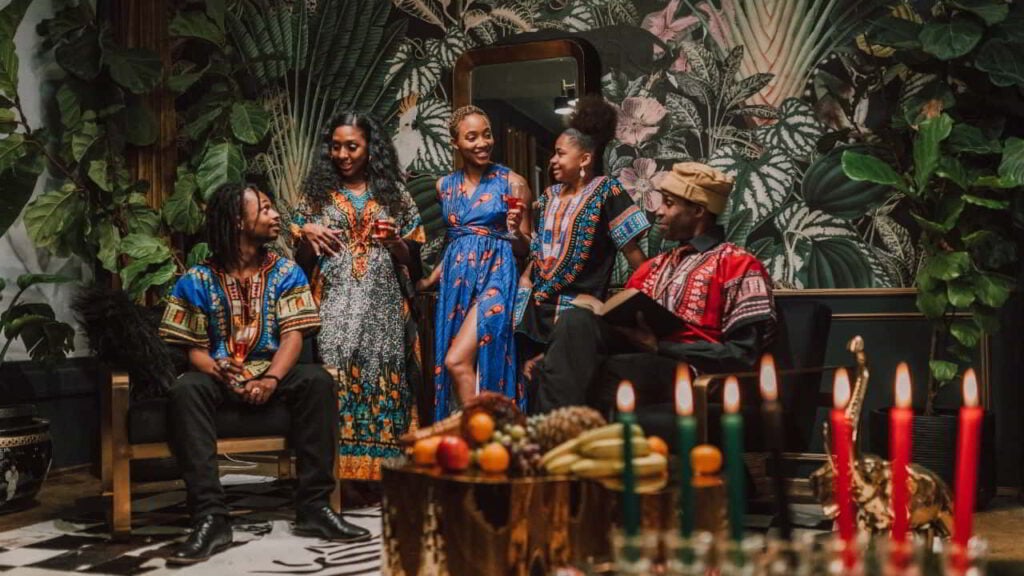
Kwanzaa, meaning “first fruits” in Swahili, was founded in 1966 by Dr. Maulana Karenga, a professor of African studies. He envisioned Kwanzaa as a means to unify and strengthen African American communities in the aftermath of the Watts riots in Los Angeles. By rooting the celebration in African customs and traditions, Dr. Karenga aimed to foster a greater sense of pride, purpose, and unity among people of African descent.
The name Kwanzaa comes from the phrase “matunda ya kwanza,” which means “first fruits of the harvest.” This idea of a harvest festival is inspired by traditional African harvest celebrations such as Umkhosi Wokweshwama of the Zulu and the Yam Festival of the Asante people. Kwanzaa is celebrated from December 26 to January 1, encompassing seven days that reflect the Seven Principles, or Nguzo Saba, which are central to the holiday.
The Seven Principles of Kwanzaa
At the heart of Kwanzaa are the Seven Principles, also known as the Nguzo Saba. These principles are the foundation upon which the celebration is built, each representing core values that are integral to fostering a strong, united, and thriving community.
- Umoja (Unity): To strive for and maintain unity in the family, community, nation, and race. Umoja emphasizes the importance of togetherness for the family and the community, which is reflected in the African proverb, “I am because we are.”
- Kujichagulia (Self-Determination): To define ourselves, name ourselves, create for ourselves, and speak for ourselves. This principle highlights the need for self-reliance and the ability to shape our own destinies, free from external definitions and influences.
- Ujima (Collective Work and Responsibility): To build and maintain our community together and make our brothers’ and sisters’ problems our problems and solve them together. Ujima underscores the importance of shared responsibility and working together to uplift the entire community.
- Ujamaa (Cooperative Economics): To build and maintain our own stores, shops, and other businesses and to profit from them together. Ujamaa encourages economic independence and cooperative economics within the community.
- Nia (Purpose): To make our collective vocation the building and developing of our community in order to restore our people to their traditional greatness. Nia calls for a collective sense of purpose that drives the community towards positive development and growth.
- Kuumba (Creativity): To do always as much as we can, in the way we can, in order to leave our community more beautiful and beneficial than we inherited it. Kuumba celebrates the creative spirit and the continuous improvement of the community through innovation and artistic expression.
- Imani (Faith): To believe with all our heart in our people, our parents, our teachers, our leaders, and the righteousness and victory of our struggle. Imani emphasizes the importance of faith in each other and in the community’s ability to triumph over adversity.
The Symbols of Kwanzaa
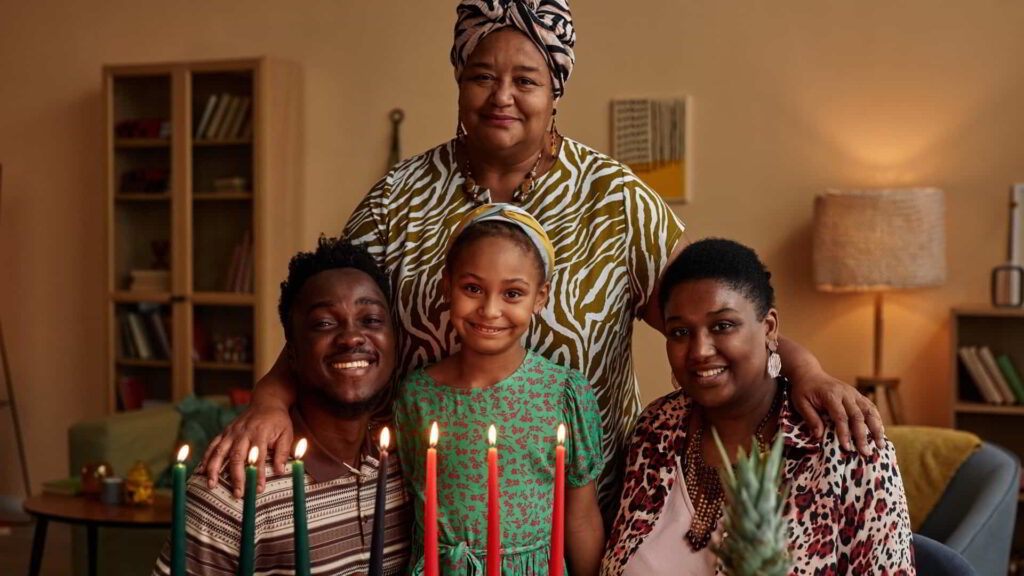
Kwanzaa is rich with symbolism, each element carefully chosen to represent aspects of African heritage and the principles of the celebration. These symbols are displayed during the festivities and play a crucial role in the ceremonial practices.
- Mazao (Crops): Representing the historical roots of Kwanzaa in agricultural celebrations, the crops symbolize the rewards of collective labor and the abundance of the earth.
- Mkeka (The Mat): The mkeka is the foundation on which the other symbols are placed. It represents the historical and cultural foundation upon which African American lives are built.
- Kinara (The Candle Holder): The kinara holds seven candles, each representing one of the Nguzo Saba. It symbolizes the roots from which the community has grown.
- Muhindi (The Corn): Each ear of corn represents a child in the family, signifying fertility and the future of the community.
- Mishumaa Saba (The Seven Candles): The seven candles are red, black, and green—symbolic colors of the African flag. They represent the seven principles and are lit each day to reflect on the corresponding principle.
- Kikombe cha Umoja (The Unity Cup): The unity cup is used to pour libations in honor of ancestors during the Karamu feast on the sixth day. It symbolizes unity and the acknowledgment of our past.
- Zawadi (The Gifts): Gifts are given to encourage growth, achievement, and success. They are often handmade and promote self-determination and creativity.
The Celebration of Kwanzaa
Kwanzaa is celebrated over seven days, with each day dedicated to one of the principles of the Nguzo Saba. Families and communities come together to reflect, rejoice, and recommit to these values. Here’s how each day unfolds:
- December 26 – Umoja (Unity): The first candle, representing unity, is lit. Families discuss the importance of unity in their lives and communities.
- December 27 – Kujichagulia (Self-Determination): The second candle is lit, and discussions focus on defining oneself, naming oneself, creating for oneself, and speaking for oneself.
- December 28 – Ujima (Collective Work and Responsibility): The third candle is lit, highlighting the value of working together to solve problems and build the community.
- December 29 – Ujamaa (Cooperative Economics): The fourth candle is lit, celebrating economic cooperation and the building of community wealth.
- December 30 – Nia (Purpose): The fifth candle is lit, encouraging individuals and communities to focus on their purpose and collective development.
- December 31 – Kuumba (Creativity): The sixth candle is lit, promoting creativity and the continuous improvement of the community. This day often includes the Karamu feast, featuring traditional African dishes, music, and storytelling.
- January 1 – Imani (Faith): The final candle is lit, celebrating faith in ourselves, our communities, and the righteousness of our struggle. The day is often marked by reflecting on the past year and setting goals for the future.
The Significance of Celebrating Kwanzaa
Kwanzaa is more than a holiday; it is a powerful affirmation of identity, culture, and community. Here are a few reasons why embracing Kwanzaa can be a transformative experience:
- Cultural Connection: Celebrating Kwanzaa allows individuals to connect with their African roots and heritage. It is a time to honor the traditions, history, and contributions of African people worldwide.
- Community Building: Kwanzaa fosters a sense of community and collective responsibility. It encourages individuals to work together to solve problems and uplift each other, strengthening the bonds within families and communities.
- Personal Growth: The principles of Kwanzaa—unity, self-determination, collective work, cooperative economics, purpose, creativity, and faith—are universal values that promote personal growth and development. Reflecting on these principles can inspire individuals to strive for greatness and contribute positively to their communities.
- Celebration of Achievement: Kwanzaa is a time to celebrate achievements and successes, both individual and collective. It is an opportunity to recognize and honor the progress made and to set goals for future accomplishments.
- Embracing Diversity: While Kwanzaa is rooted in African traditions, its values and principles are universal. Celebrating Kwanzaa can promote understanding and appreciation of diverse cultures, fostering unity and respect among all people.
- Empowerment: Kwanzaa empowers individuals to take control of their destinies and to create positive change in their lives and communities. It reinforces the importance of self-determination, creativity, and faith in one’s abilities.
How to Celebrate Kwanzaa
Celebrating Kwanzaa can be a deeply enriching and rewarding experience. Here are some ways to embrace the holiday and make it a meaningful part of your life:
- Learn and Educate: Take the time to learn about the history and significance of Kwanzaa. Share this knowledge with family, friends, and the community. Understanding the roots and principles of Kwanzaa can deepen your appreciation and connection to the holiday.
- Set Up a Kwanzaa Display: Create a Kwanzaa display in your home featuring the mkeka (mat), kinara (candle holder), mishumaa saba (seven candles), mazao (crops), muhindi (corn), kikombe cha umoja (unity cup), and zawadi (gifts). This display serves as a focal point for your celebrations and a daily reminder of the principles of Kwanzaa.
- Participate in Daily Reflections: Each day of Kwanzaa, light a candle in the kinara and reflect on the corresponding principle. Engage in discussions with family and friends about how to incorporate these values into your lives and communities
- Engage in Activities: Participate in activities that reflect the principles of Kwanzaa, such as community service, supporting Black-owned businesses, or engaging in creative projects. These activities can help reinforce the values of unity, self-determination, and collective work.
- Host a Kwanzaa Feast (Karamu): On December 31, gather family and friends for a Karamu feast. Prepare traditional African and African American dishes, share stories, and celebrate your heritage. This communal meal is a time to reflect on the past year and set intentions for the year ahead.
- Give Thoughtful Gifts (Zawadi): Exchange gifts that are meaningful and promote growth, achievement, and success. Handmade items, books, and educational materials are ideal gifts that align with the principles of Kwanzaa.
- Incorporate Music and Dance: Music and dance are integral parts of African culture and Kwanzaa celebrations. Incorporate traditional African music, drumming, and dance into your festivities to honor your heritage and celebrate the joy of Kwanzaa.
- Reflect and Set Goals: Use the principles of Kwanzaa as a guide for personal and communal growth. Reflect on the past year, celebrate achievements, and set goals for the coming year. This practice can help you stay connected to the values of Kwanzaa throughout the year.
- Connect with the Community: Join local Kwanzaa celebrations or connect with others who celebrate the holiday. Building connections with like-minded individuals and communities can enhance your Kwanzaa experience and foster a sense of belonging.
- Educate Others: Share the significance and principles of Kwanzaa with others. Educating friends, family, and the community about the holiday can promote understanding and appreciation of its cultural and historical importance.
Why Everyone Should Celebrate Kwanzaa
While Kwanzaa is deeply rooted in African and African American culture, its values and principles are universal and can be embraced by anyone. Celebrating Kwanzaa offers an opportunity to honor and appreciate the richness of African heritage while promoting values that contribute to a more just, inclusive, and harmonious society.
- Promotes Unity and Togetherness: Kwanzaa emphasizes the importance of unity and collective work, values that are essential for building strong, supportive communities. Celebrating Kwanzaa can bring people together, fostering a sense of belonging and mutual support.
- Encourages Personal and Communal Growth: The principles of Kwanzaa—such as self-determination, purpose, and creativity—encourage personal development and communal growth. Reflecting on these values can inspire individuals to strive for excellence and contribute positively to their communities.
- Celebrates Cultural Diversity: Embracing Kwanzaa provides an opportunity to celebrate and honor cultural diversity. It promotes understanding and appreciation of different cultural traditions, fostering respect and inclusivity.
- Empowers Individuals and Communities: Kwanzaa empowers individuals to take control of their destinies and create positive change. It reinforces the importance of self-reliance, collective work, and cooperative economics, contributing to the overall well-being of the community.
- Strengthens Family Bonds: Kwanzaa is a time for families to come together, reflect on shared values, and celebrate their heritage. The rituals and practices of Kwanzaa can strengthen family bonds and create lasting memories.
- Provides a Meaningful Alternative to Commercial Holidays: For those who seek a meaningful alternative to the commercialism of other holidays, Kwanzaa offers a celebration that is rich in cultural significance and communal values. It focuses on honoring heritage, fostering unity, and promoting personal growth.
- Promotes Reflection and Intentional Living: Celebrating Kwanzaa encourages individuals to reflect on their values, set goals, and live with intention. This practice can lead to a more fulfilling and purpose-driven life.
Conclusion
Kwanzaa is more than just a holiday; it is a celebration of identity, culture, and community. By embracing the principles and practices of Kwanzaa, individuals can connect with their heritage, foster unity, and promote personal and communal growth. Whether you are of African descent or simply appreciate the values that Kwanzaa represents, celebrating this unique holiday can be a transformative and enriching experience.
This year, as the holiday season approaches, consider incorporating Kwanzaa into your celebrations. Reflect on the principles of unity, self-determination, collective work, cooperative economics, purpose, creativity, and faith. Engage in meaningful activities that honor these values and celebrate the rich traditions of African culture.
Let Kwanzaa be a time to come together, reflect, and set intentions for the future. Embrace the spirit of Kwanzaa and make it a celebration that is not only joyous but also deeply meaningful and inspiring. By doing so, you can create lasting memories, strengthen bonds, and contribute to a more just and inclusive society.
Happy Kwanzaa! May the principles of Kwanzaa guide you and your community toward unity, prosperity, and collective growth.